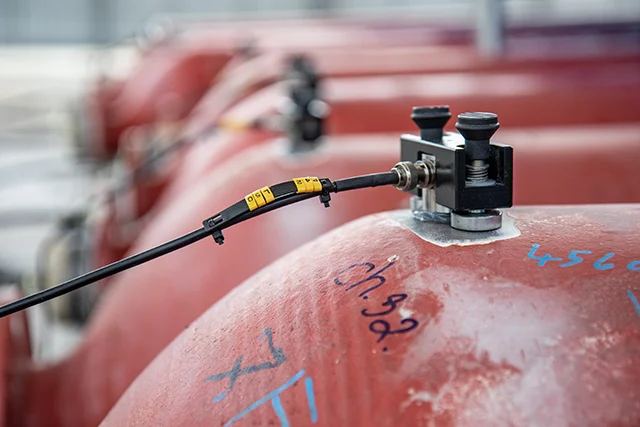
Process Measurement Instrument

At our international procurement company, we provide a comprehensive range of high-quality instrumentation products designed to meet the diverse needs of industries worldwide. Our instrumentation solutions are engineered to enhance operational efficiency, ensure safety, and deliver precision in every application. Below is an overview of our product offerings:

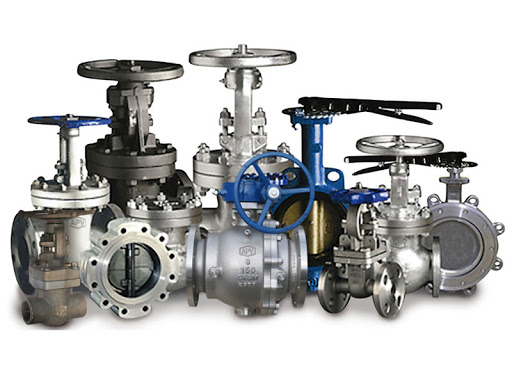
Valves are critical components in controlling the flow of liquids, gases, and other materials within industrial systems. Our valve portfolio includes:

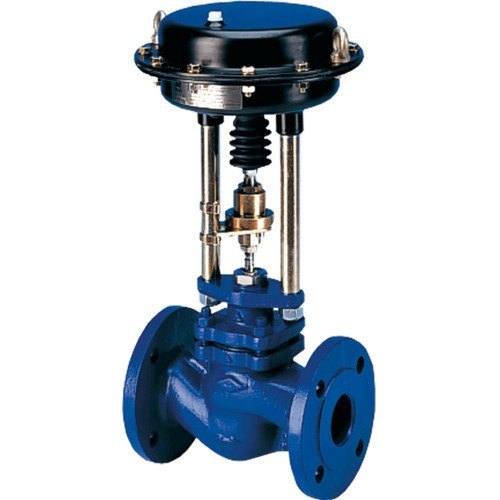
Control Valves

  • Precision-engineered to regulate flow, pressure, and temperature in complex processes, ensuring optimal performance and reliability.

Safety and Relief Valves

Critical for protecting equipment and personnel by preventing overpressure conditions, ensuring compliance with global safety standards.
 

These valves must adhere to international standards like ASME, PED, and API, depending on the region and industry. Procurement teams must prioritize suppliers with certifications like ISO 9001 and API Q1 to ensure reliability.

On/Off Valves

Designed for simple and efficient start-stop operations, these valves are ideal for applications requiring quick and reliable shut-off.

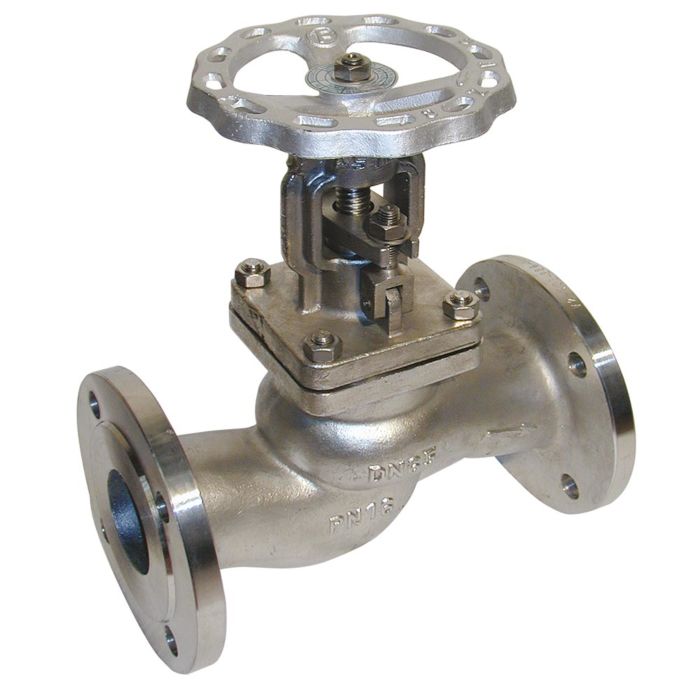
Shut-Off Valves

Built to provide a secure and leak-proof seal, these valves are essential for safety and operational control in high-pressure systems.

Other Variants

Including ball valves, gate valves, butterfly valves, and check valves, tailored to meet specific industry requirements.

Our valves are sourced from globally recognized manufacturers, ensuring durability, compliance with international standards, and seamless integration into your systems.

Transmitters play a vital role in monitoring and transmitting critical process data, enabling real-time decision-making and control. Our range includes:

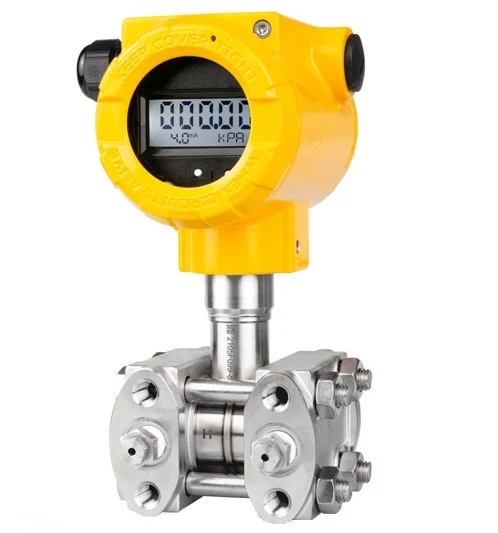
Pressure Transmitters

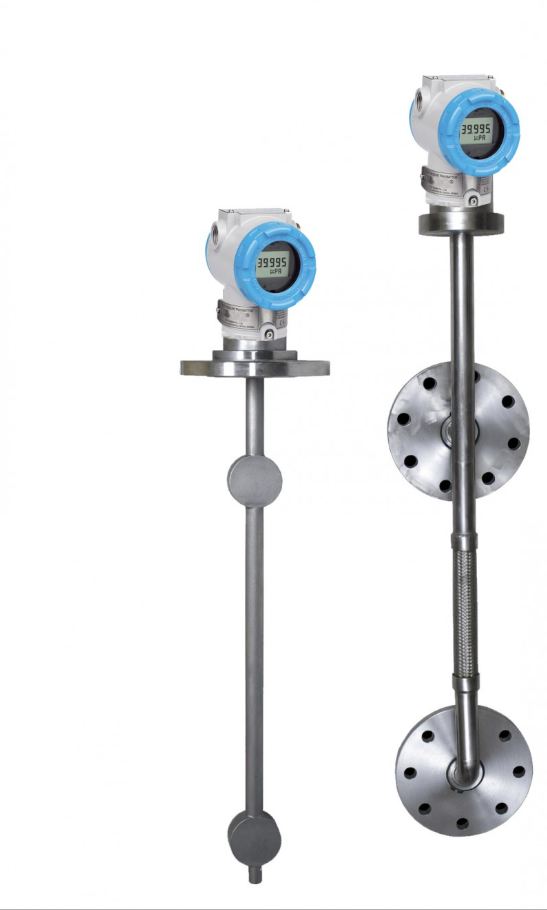
Accurately measure and transmit pressure readings, essential for maintaining system integrity and safety.

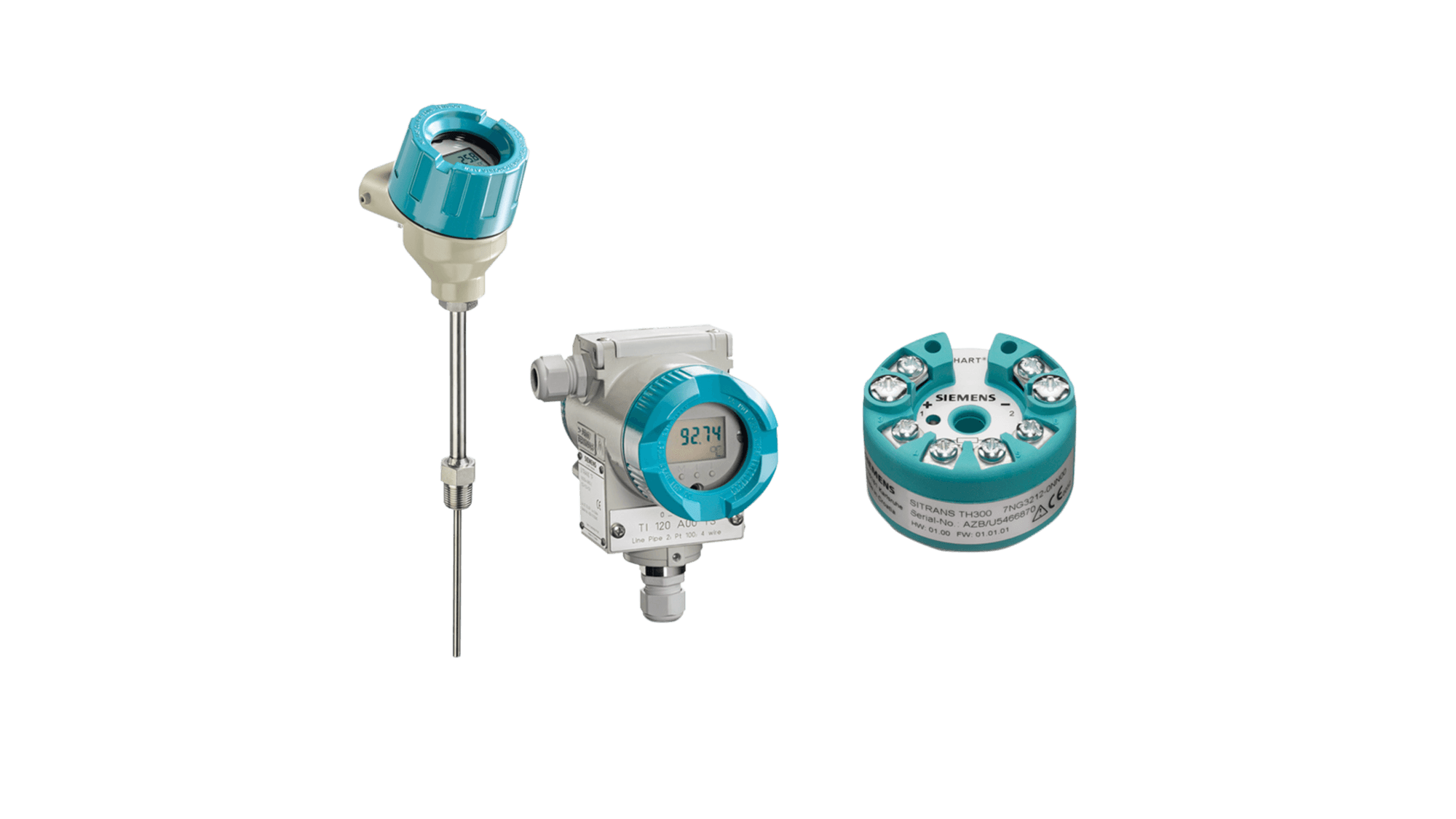
Temperature Transmitters

A temperature transmitter is a critical instrument used in various industries to measure and transmit temperature data accurately and reliably. In temperature measurement the sensors and elements are main players of measuring the thermal energy of a system, providing critical data for process control and safety.

Types of Temperature Elements:

  • Thermocouples: Generate a voltage proportional to temperature differences between two junctions of dissimilar metals.
  • Resistance Temperature Detectors (RTDs): Measure temperature by correlating the resistance of a metal (e.g., platinum) with temperature.
  • Thermistors: Semiconductor devices whose resistance changes significantly with temperature.
  • Bimetallic Strips: Use two metals with different thermal expansion rates to measure temperature.
  • Infrared Sensors: Measure temperature remotely by detecting infrared radiation.

Applications:

  • Monitoring and controlling industrial furnaces.
  • Ensuring proper operation of HVAC systems.
  • Temperature regulation in chemical reactors.

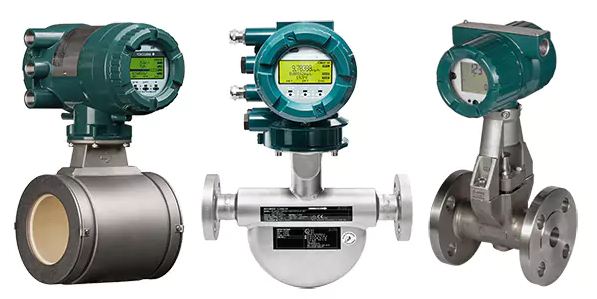
Flow Transmitters

Provide precise flow rate measurements, crucial for optimizing process efficiency and resource management.

Level Transmitters

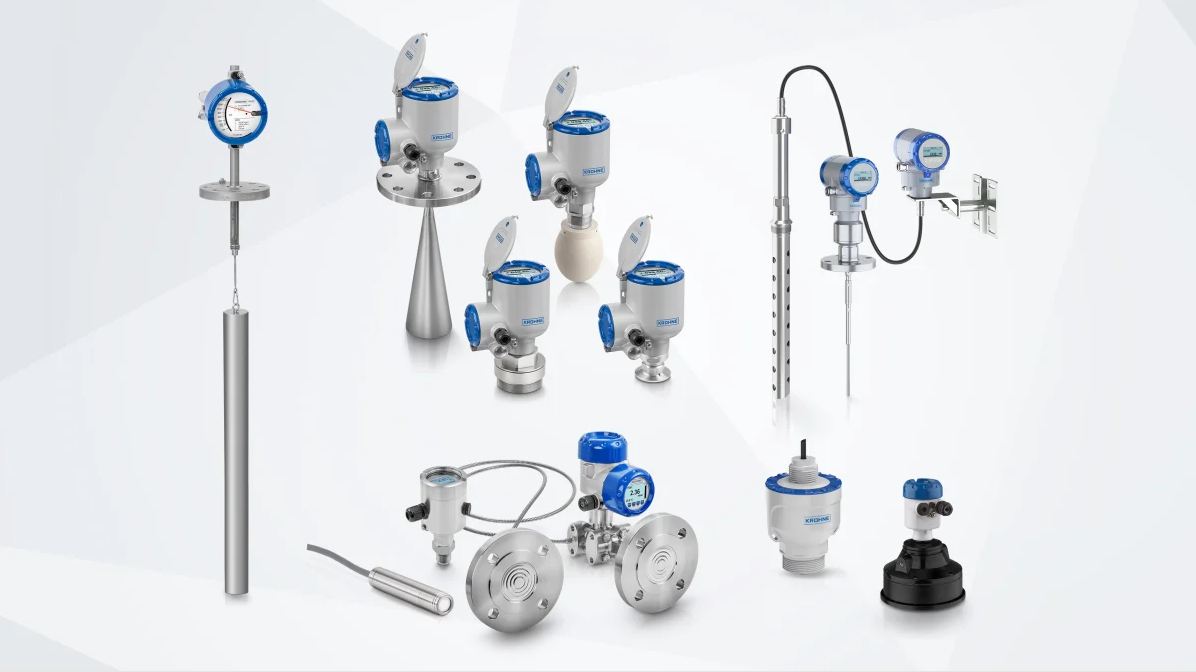
Monitor liquid or solid levels in tanks and vessels, ensuring proper inventory control and preventing overflows.

Density Transmitters

Measure the density of fluids, supporting quality control and process optimization in industries like oil and gas, food, and chemicals.

Our supplied transmitters are designed for high accuracy, reliability, and compatibility with various industrial environments, from harsh offshore conditions to controlled manufacturing facilities.

Pressure Gauges

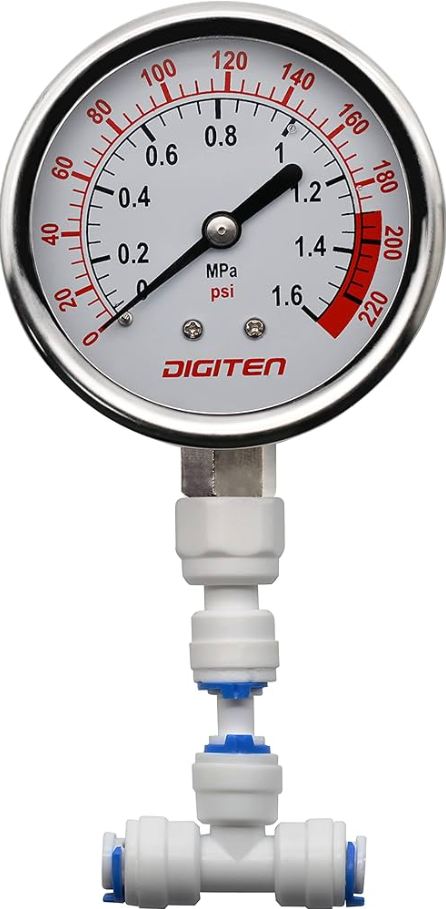
  • Used to measure the pressure of gases and liquids in pipelines, vessels, and equipment.
  • Types: Bourdon tube gauges, diaphragm seals, digital pressure gauges.
  • Applications: Wellhead monitoring, refinery processes, pipeline pressure checks.

Temperature Gauges

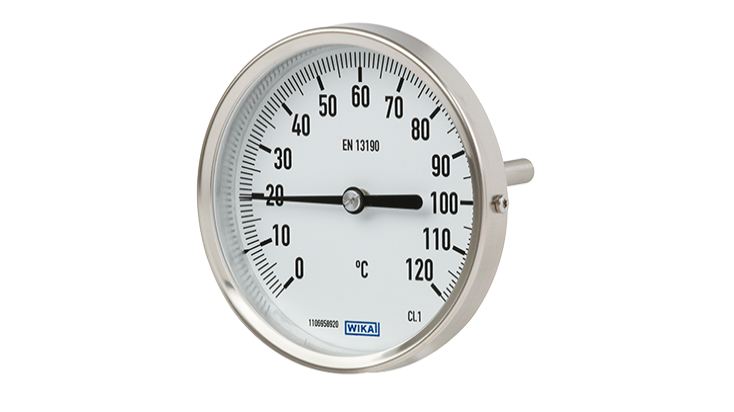
  • Measure the temperature of fluids and equipment.
  • Types: Bimetallic thermometers, infrared thermometers, thermocouples, RTDs (Resistance Temperature Detectors).
  • Applications: Monitoring process temperatures, ensuring safe operating conditions.

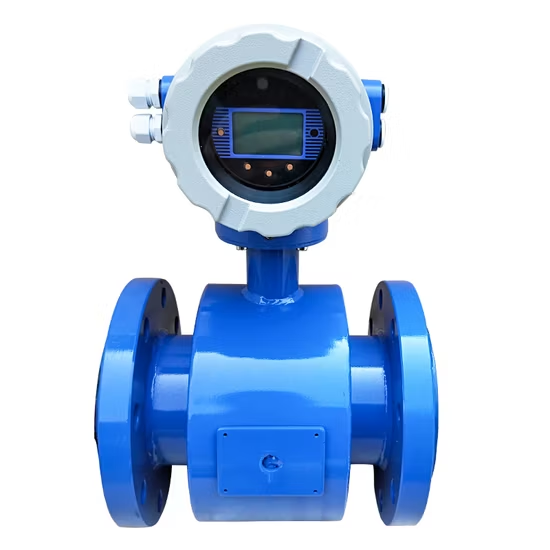
Flow Meters

  • Measure the flow rate of liquids and gases.
  • Types: Coriolis flow meters, ultrasonic flow meters, turbine flow meters, magnetic flow meters.
  • Applications: Custody transfer, pipeline monitoring, process control.

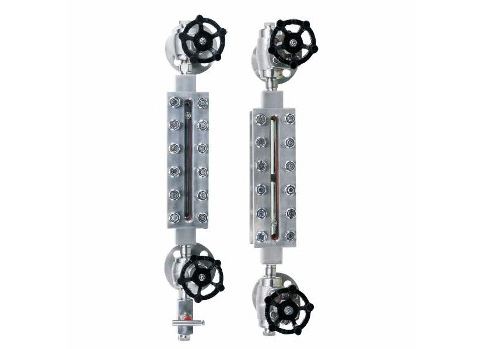
Level Gauges

  • Indicate the level of liquids or solids in tanks and vessels.
  • Types: Sight glasses, magnetic level gauges, radar level sensors, ultrasonic level sensors.
  • Applications: Tank farm monitoring, reactor vessel level control.

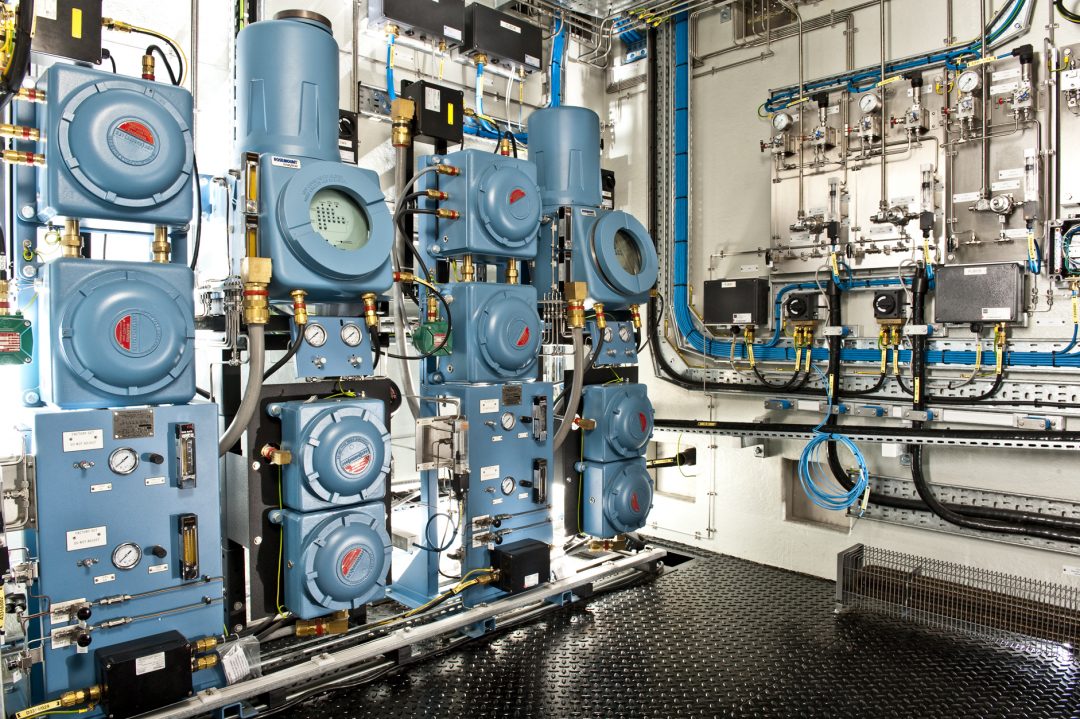
Analyzers

Sophisticated instruments for analyzing chemical composition, gas concentration, or other process parameters, enabling precise control and quality assurance.

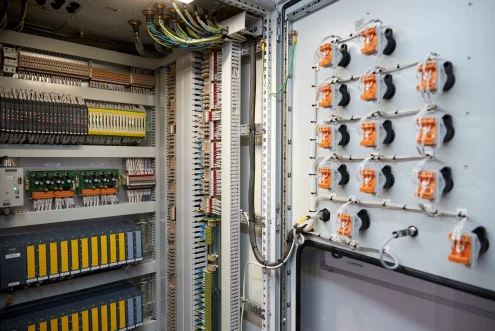
Control Systems

Integrated systems that automate and manage complex industrial processes, enhancing efficiency, reducing human error, and ensuring consistent output.

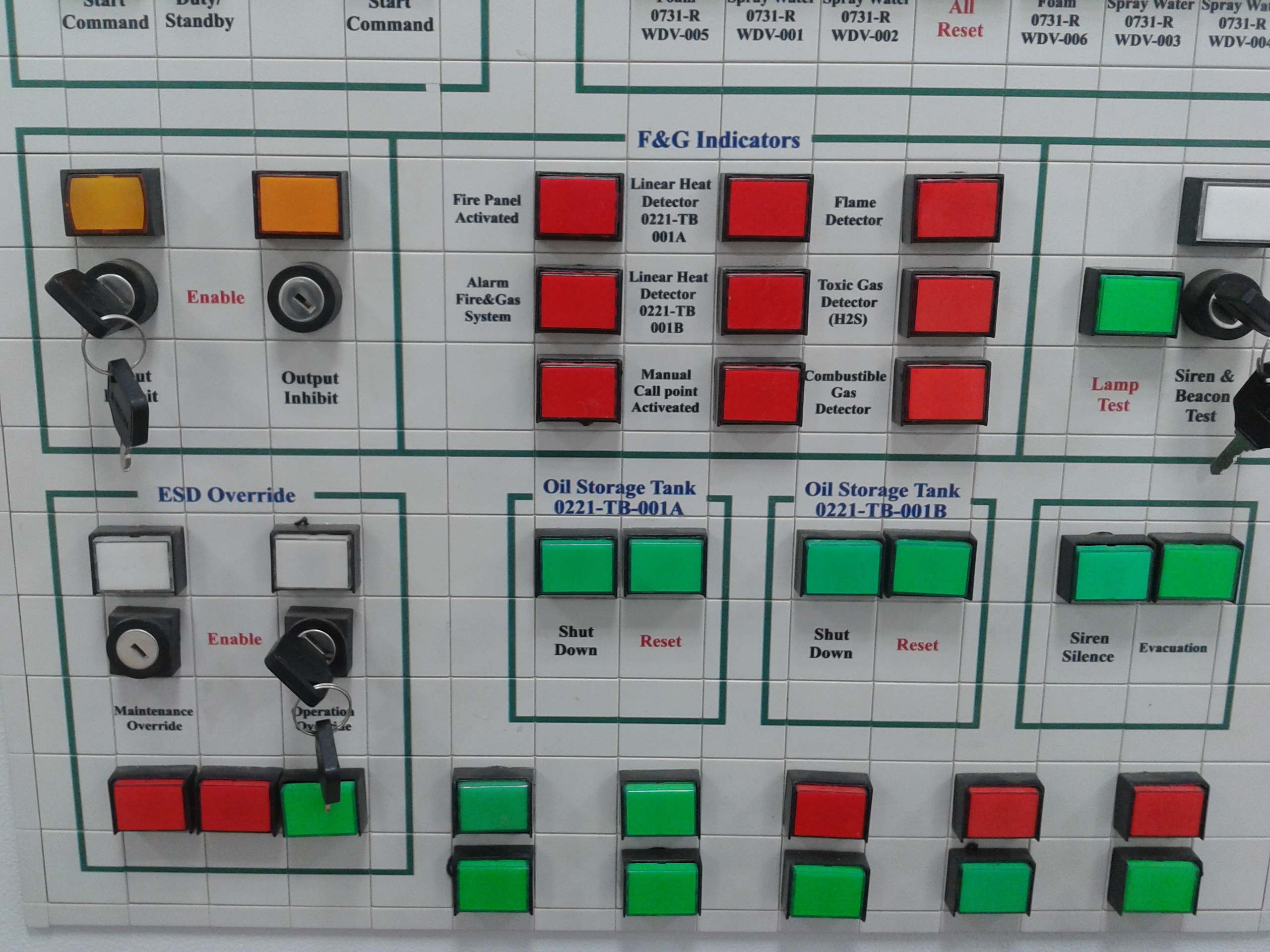
ESD (Emergency Shutdown) Systems

Critical safety systems designed to automatically shut down operations in emergency situations, protecting personnel, equipment, and the environment.

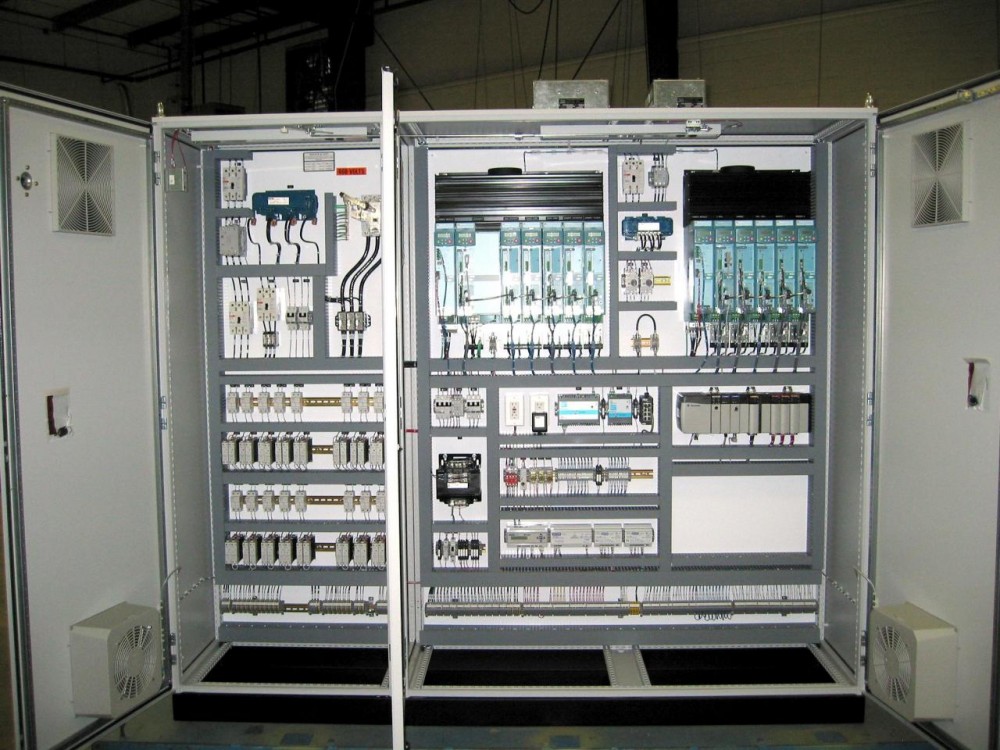
Programmable Logic Controller (PLC)

A Programmable Logic Controller (PLC) is an industrial digital computer designed to control and automate manufacturing processes, machinery, and other industrial applications. PLC systems are widely used across industries due to their reliability, flexibility, and ability to operate in harsh environments. 

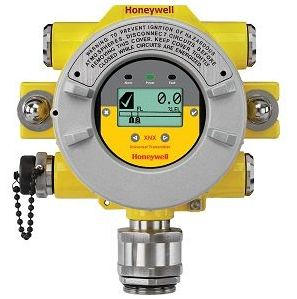
F&G (Fire & Gas) System Detectors

Advanced detectors designed to identify and respond to fire, gas leaks, or other hazardous conditions, ensuring workplace safety and compliance with safety regulations.

Flow, primary elements are critical components in various industrial processes, particularly in oil & gas and petrochemical processes. These elements are used to measure and monitor flow rates, ensuring efficient and safe operation of systems. Below is an overview of each type of element.

Flow elements measure the rate of fluid (liquid or gas) movement through a system. They are vital for process optimization and resource management.

Orifice Plates

Orifice Plates create a pressure drop across a restriction to measure flow rate.

Venturi Tubes

Venturi Tubes use a converging-diverging section to measure flow based on pressure differences.

Flow Nozzles

Similar to orifice plates but designed for high-velocity flows.

Pitot Tubes and Annubar

Pitot Tubes measure fluid flow velocity by detecting the difference between static and dynamic pressure. Annubar is a multi-port version of a Pitot tube, offering improved accuracy and reliability for low pressure flow measurement in pipes. Both are commonly used in HVAC, aviation, and industrial flow monitoring.

Wedge Meters

Wedge Meters are differential pressure flow meters with a wedge-shaped element inserted into the pipe. Ideal for measuring flow of viscous, abrasive, or slurry fluids. Used in industries like oil and gas, mining, and wastewater treatment.

Restriction Orifices

Restriction Orifices are plates with a small hole used to control or limit flow by creating a pressure drop. Commonly used for flow regulation, pressure reduction, or flow measurement in pipelines. Applied in chemical, petrochemical, and power generation industries. There is two types for Ros. Multistage type and single stage design which both types are available from European well know sources.

Applications:

    • Monitoring liquid and gas flow in pipelines.
    • Controlling fuel flow in engines.
    • Measuring flow rates in production processing.

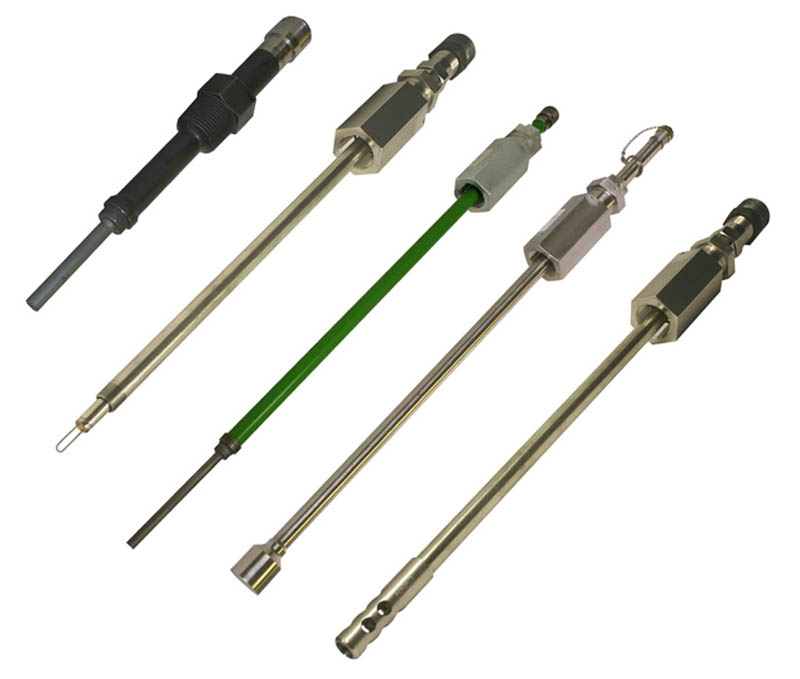
Corrosion monitoring instruments in the industries are essential for ensuring the integrity and longevity of equipment and pipelines. These instruments detect and measure corrosion rates, helping to prevent failures, leaks, and costly downtime. Common tools include:

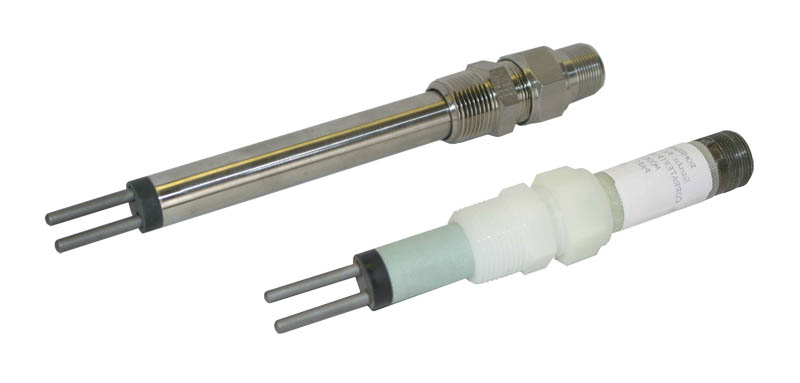
Electric Resistance (ER) Probes

Measure changes in metal thickness due to corrosion by tracking electrical resistance.

Linear Polarization Resistance (LPR) Probes

Assess corrosion rates by analyzing electrochemical reactions.

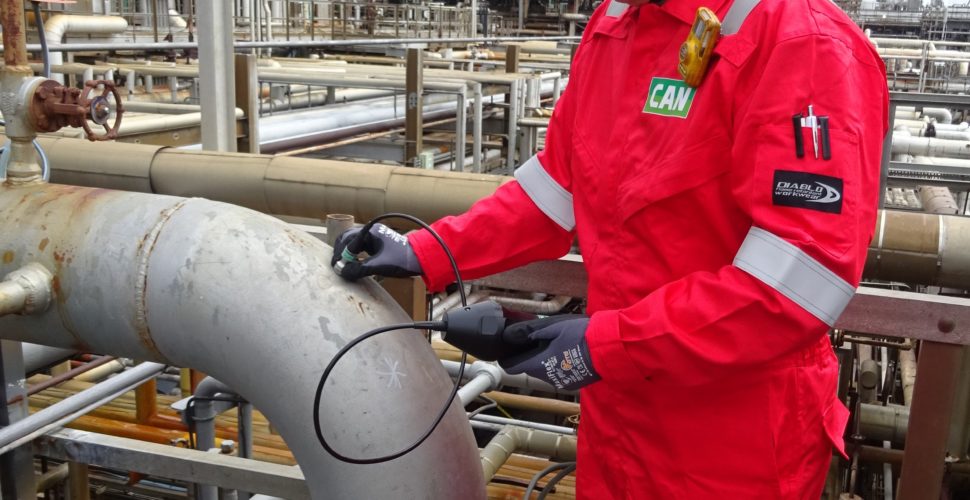
Ultrasonic Thickness Gauges

Use sound waves to measure material thickness and detect thinning caused by corrosion.

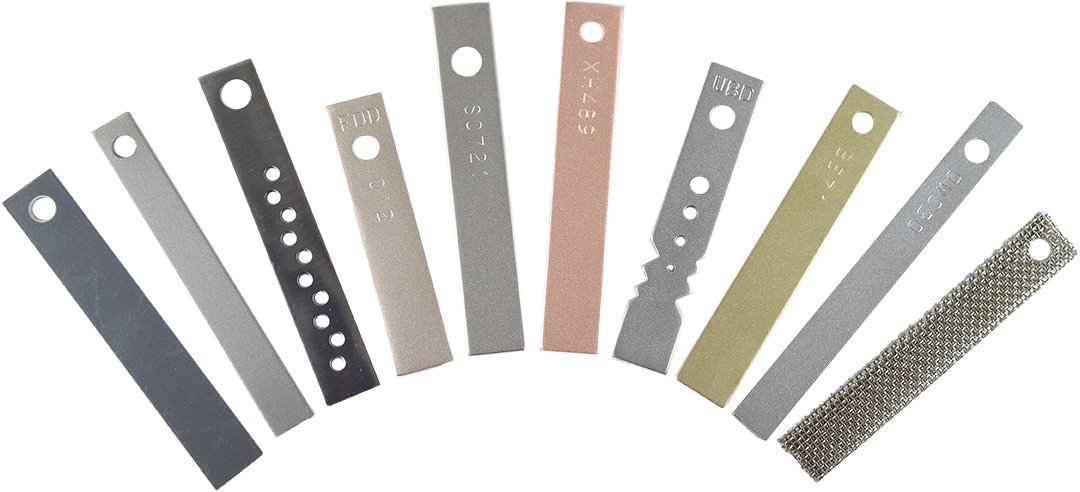
Corrosion Coupons

Small metal samples inserted into the system to physically measure corrosion over time.

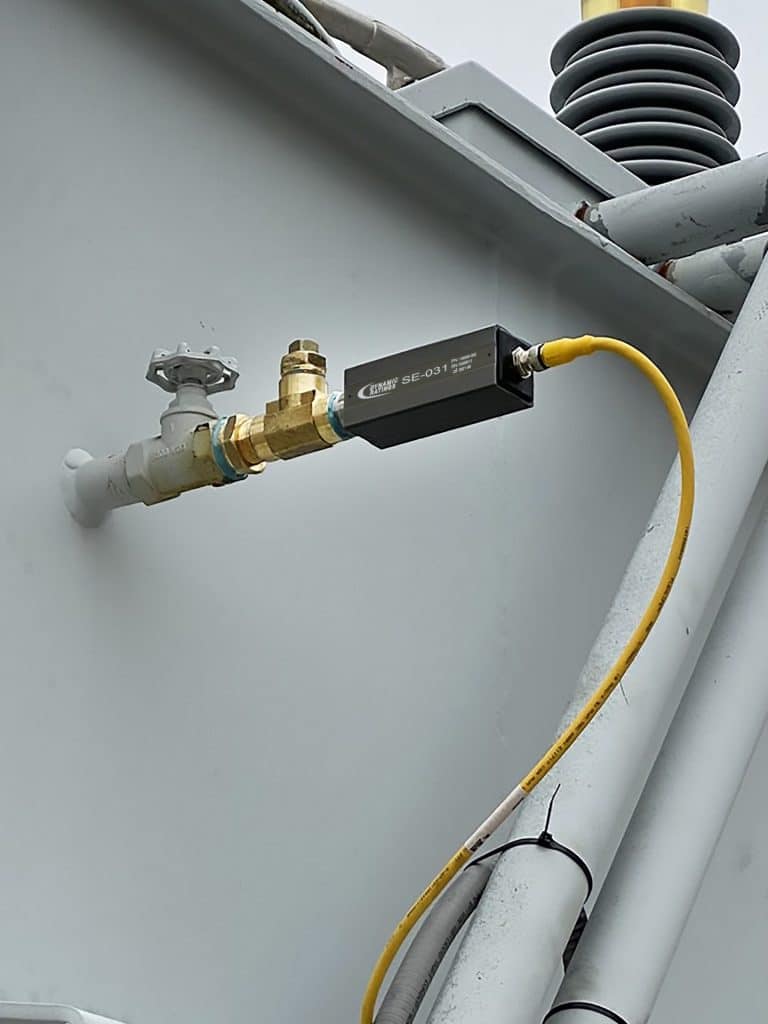
Hydrogen Probes

Detect hydrogen permeation, which can indicate corrosion in pipelines and vessels.

Acoustic Emission Sensors

Monitor for stress cracks or leaks caused by corrosion.

These instruments provide real-time or periodic data, enabling proactive maintenance and ensuring safety and efficiency in harsh operating environments.

Conclusion

Armtech company specializing in process equipment, upstream machinery, mining equipment, and rotary systems plays a critical role in ensuring the smooth operation of industrial facilities.

By sourcing high-quality, reliable, and efficient equipment, these companies help industries optimize their processes, reduce downtime, and improve productivity. Their expertise in navigating global supply chains, managing logistics, and ensuring compliance with international standards makes them invaluable partners for industries ranging from oil and gas to mining and manufacturing.